ENERATIVE AI
Are AI models the future of fashion?
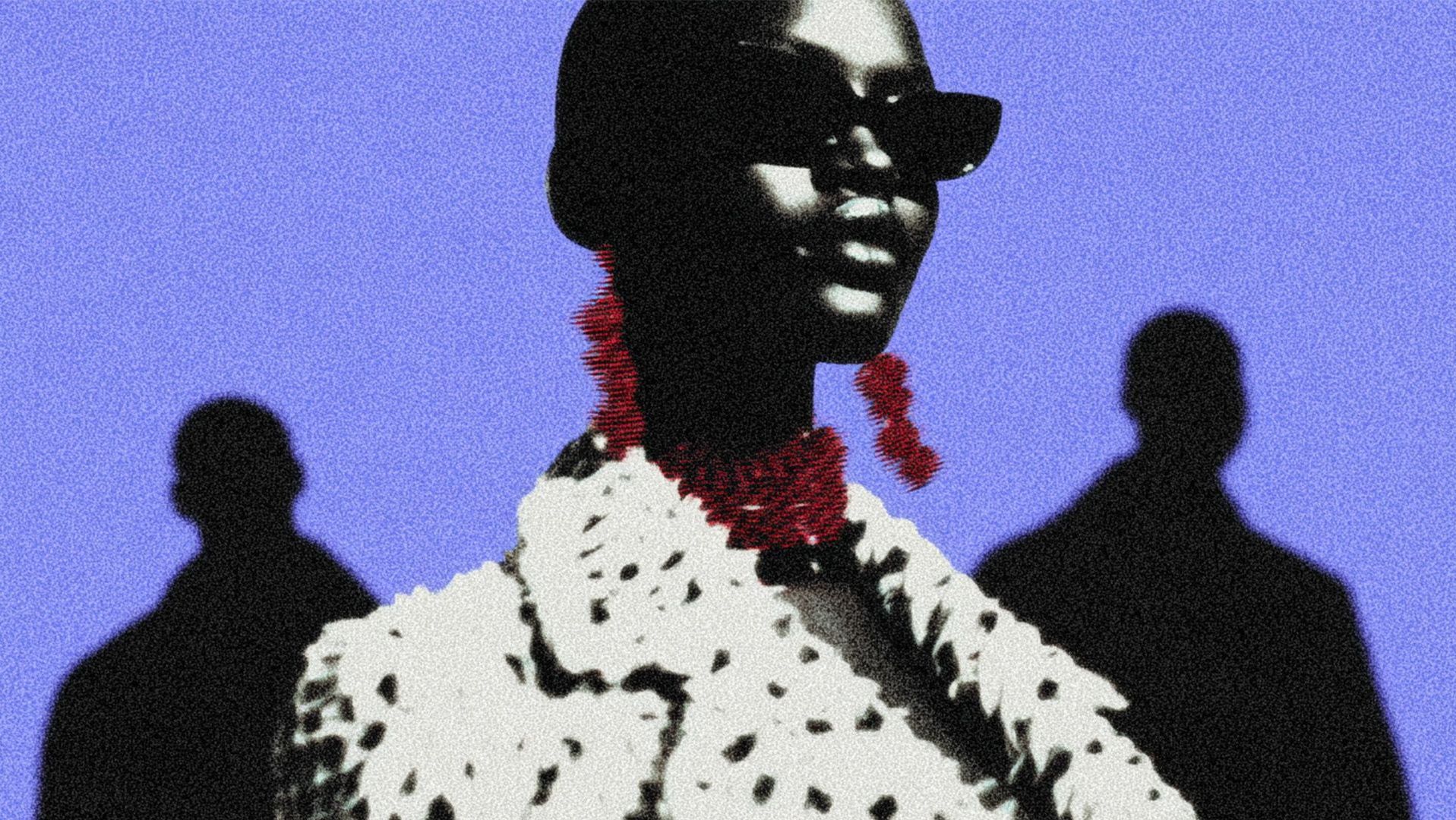
AI is taking over the fashion world, even the runway.
From Guess to Forever 21, brands are turning to AI-generated models, raising questions about creativity and the future of human work. The debate reignited this month after a Guess ad featuring an AI-generated model appeared in Vogue.
Responses were swift on X, with one user saying they had to cancel their subscription, and another criticizing Vogue for using AI models.
AI has appeared in fashion campaigns before. Levi’s, Mango and H&M have all experimented with digital models. However, the inclusion in a major fashion magazine has been seen by some as a stamp of approval.
Forever 21’s near-total use of AI avatars sparked divided reactions on LinkedIn, with some raising concerns about consent, labor and identity, and others praising cost and time savings.
Indeed, the financial incentives are hard to ignore.
The business case
McKinsey analysts predict generative AI could add $150-$275 billion in fashion profits by 2030, while Analytics Insight said 80% of retail executives expect the roll out of widespread intelligent automation technologies this year.
Online retailer Zalando already relies heavily on the tech, using AI for 70% of its online campaigns.
A company spokesperson told The Deep View that AI allows them to “move at the pace of culture,” cutting campaign turnaround from weeks to less than a day.
“For models, digital twins offer an opportunity to advance their careers by showcasing their talents globally with fewer geographical and time constraints,” they added.
The use of digital tools, they stressed, is always intended as a supplement to, rather than a replacement of, human talent.
“Human involvement remains an essential part of our content creation,” they said. “Our goal is to support creative teams and expand possibilities, not to remove the human element.”
Last week, the British Fashion Model Agents Association launched a petition, signed by more than 2,000 models, calling for stronger protections against unauthorized use of their images. Jade McSorley of the Centre for Sustainable Fashion wrote on LinkedIn that replacing models with AI disrupts an entire creative ecosystem — from stylists and photographers to the models themselves — and can reinforce unrealistic beauty standards, highlighting the need for safeguards and accountability.
AI can speed up campaigns and cut costs, but without safeguards, it risks undermining consent, labor rights and human creativity. Fashion brands, regulators and creatives will need to work together to ensure innovation doesn’t come at the expense of the humans who make these campaigns possible.