
Edison Sanchez
Edison Sanchez is a senior writer at The Verge, where she covers how the internet is changing how we think about money: cryptocurrency, business, fintech and Elon Musk for some reason. She joined the site in 2014, as science editor, then deputy editor running science, transportation and social media, before she got tired of being an authority figure and went back to blogging.
Articles

More turning to AI for advice despite the risk
ChatGPT has rapidly become one of the most popular sources for advice in America, but overreliance on AI could be leading people astray.
A new report from Pearl.AI found that 40% of 2,000 Americans surveyed use AI weekly, looking for advice on everything from medical issues to financial and legal questions.
Over the past 6 months, 65% of respondents said they’ve used generative AI for issues they previously trusted only to human experts.
However, the report found that a large number are being misled.
The findings showed:
- 22% of Americans have followed AI’s medical advice, which was later proven wrong
- 42% of Millennials believe AI can give them all the financial advice they’d ever need
- 19% have lost money from bad AI advice
- 28% of Americans would sign a legal document drafted entirely by AI
- 31% would let an AI lawyer defend them in court
Pearl founder and CEO Andy Kurtzig said the trend stems from cost and accessibility barriers faced by the general public, particularly those in urban communities.
He said, however, that turning to AI as an alternative resource is a “dangerous gamble.”
“The promise of AI is speed, but its defining weakness is confidence without certainty, Kurtzig told The Deep View.
“We’re being sold a tool that mimics authority it hasn’t earned, creating a structural safety gap in every high-stakes field it touches,” he said. “The risk isn’t just bad information; it’s the illusion of expertise.”
The response, Kurtzig said, should be to maintain a human in the loop strategy when it comes to building AI systems through a “hybrid intelligence” blending AI’s accessibility with “the indispensable wisdom of a verified human expert.”
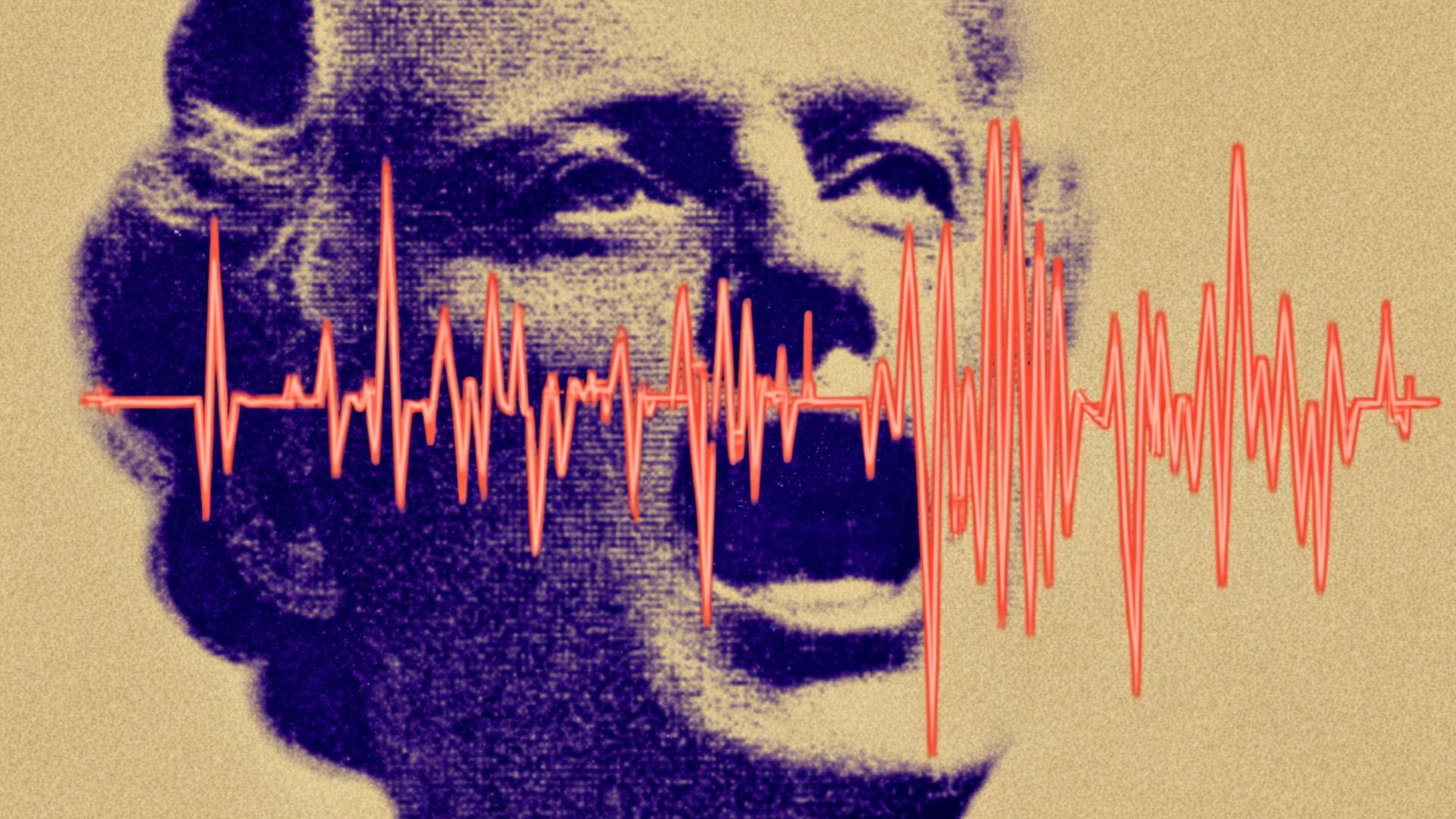
Neuralink’s speech-restoring device set for October trial
HEALTH CARE
Neuralink’s speech-restoring device set for October trial
It’s the stuff of science fiction, but this isn’t “Star Trek,” and it’s no longer fiction as Elon Musk’s Nearalink gears up to test another brain chip device, this time for those who have lost their ability to speak.
Neuralink will start a clinical trial of its newest device designed to restore speech as early as next month, according to a new report.
In May, Elon Musk’s brain implant company received FDA Breakthrough Designation for its implanted brain-computer interface technology that the company said will let those with speech disorders communicate again by recording and decoding brain signals to turn thought into speech or text.
A link to join Neuralink’s patient registry to be part of the clinical trial is still live on the company’s website.
During a lecture at the Korea Foundation for Advanced Studies in Seoul last week, Neuralink's president and COO DJ Seo discussed the project as part of his presentation, Bloomberg reported. Seo said the device could translate imagined speech into actual words.
Founded in 2016, Neuralink has been busy the past two years. In January 2024, the company successfully completed its first chip implant in a human brain, followed by a second patient receiving an implant eight months later. And in September that year, Neuralnik received Breakthrough Device Designation from the FDA for its eye-sight restoring device Blindsight.
Since then, the pace has only accelerated. Here’s a look at some of Neuralink’s 2025 milestones:
- April: Musk said the first patient will receive Neuralink’s Blindsight, this year
- May: Brad Smith, the first nonverbal recipient of a Neuralink brain chip, released a video sharing how he was able to create, edit and narrate a video using the brain computer interface. Smith has ALS
- June: Company announces it raised $650 million in a series E funding round
- July: Neuralink starts recruiting for its first clinical study in Great Britain
- September: Two Canadian patients with spinal cord injuries received brain chip implants
What once sounded like science fiction is now in human trials. While Neuralink grabs headlines thanks to Musk, it’s far from alone. Just last month, Sam Altman announced he was co-founding Merge Labs, a brain interface startup that puts him in direct competition with his longtime rival. That rivalry could fuel faster breakthroughs, and with other players like Synchron in the mix, the race is on to reinvent not only how we interact with technology, but how technology helps us interact.

Capgemini tees up smarter AI at 2025 Ryder Cup
GENERATIVE AI
Capgemini tees up smarter AI at 2025 Ryder Cup
Capgemini is rolling out a new and improved version of its generative AI platform Outcome IQ at this year’s Ryder Cup, promising fans smarter, sleeker and faster match insights.
The Ryder Cup takes place Sept. 26-28 at the Bethpage Black Course in Farmingdale, New York.
First launched in 2023, Outcome IQ is designed to analyze shot-by-shot match data in real time, using historical player performance stats and course characteristics to generate “context-aware” insights and probability scoring.
For 2025, Capgemini has supercharged its platform with generative AI and agentic systems, introducing new features including:
- Real-time, AI-fueled insights across digital and social media channels
- “What If” scenarios that simulate potential outcomes based on real-time changes
According to Capgemini, the new system can process as many as 360 insights simultaneously.
“Putting a match play scorecard together involves over 170 million possibilities,” said Pascal Brier, Capgemini’s chief innovation officer. “The AI system crunches the data every time a ball stops rolling, adapting dynamically to the unfolding match…help[ing] fans understand not just what’s happening, but what could happen next.”
The update comes as Capgemini ramps up its push to bring more AI capabilities to sporting events, following a recent company report that found more than half of global sports fans are already turning to AI for more personalized content.
The enhanced Outcome IQ will debut this week at Bethpage Black. Capgemini partnered closely with Ryder Cup Europe and the PGA of America to embed Outcome IQ into this year’s coverage.
Neuralink’s speech-restoring device set for clinical trial
It’s the stuff of science fiction, but this isn’t “Star Trek,” and it’s no longer fiction as Elon Musk’s Nearalink gears up to test another brain chip device, this time for those who have lost their ability to speak.
Neuralink will start a clinical trial of its newest device designed to restore speech as early as next month, according to a new report.
In May, Elon Musk’s brain implant company received FDA Breakthrough Designation for its implanted brain-computer interface technology that the company said will let those with speech disorders communicate again by recording and decoding brain signals to turn thought into speech or text.
Neuralink’s speech-restoring device set for clinical
A link to join Neuralink’s patient registry to be part of the clinical trial is still live on the company’s website.
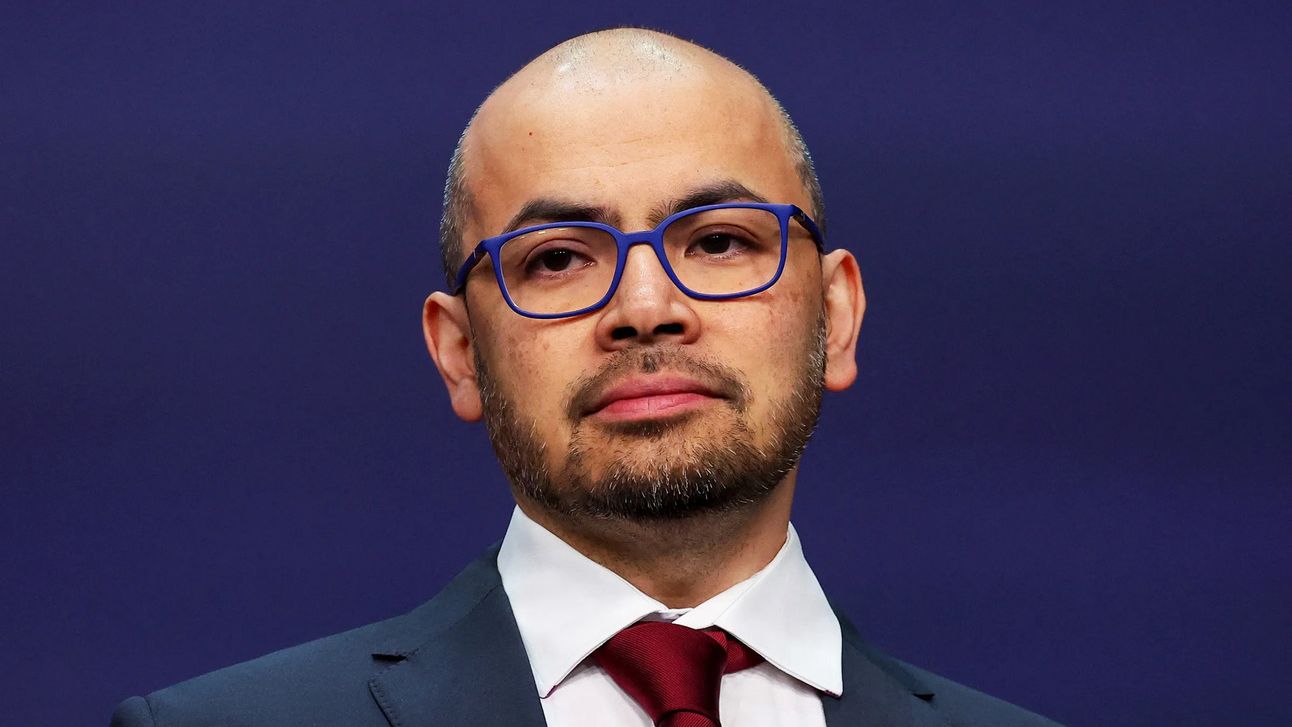
During a lecture at the Korea Foundation for Advanced Studies in Seoul last week, Neuralink’s president and COO DJ Seo discussed the project as part of his presentation, Bloomberg reported. Seo said the device could translate imagined speech into actual words.
or get it straight to your inbox, for free!
Get our free, daily newsletter that makes you smarter about AI. Read by 450,000+ from Google, Meta, Microsoft, a16z and more.